

 Author: Abdulrazzaq al-Maghribi
 Date published: 17-02-2026
 Updated: 17-02-2026
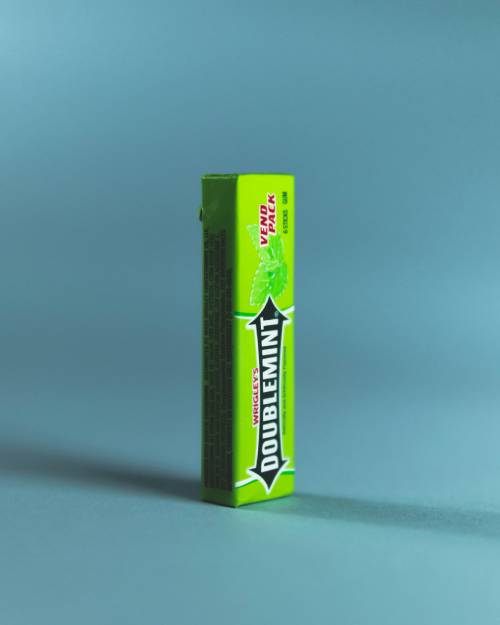
Does chewing gum break the fast?
It remains unusual to see someone chewing while they are fasting. Is chewing gum allowed during the fast, or does it break the fast?
In general, chewing gum is considered something that does not break the fast, provided that it is flavorless and does not contain sugar or anything similar. If the gum is merely like a piece of rubber that a person chews on, then the scholars have viewed that such a type of gum does not break the fast.
- Chewing gum that releases substances while chewing, such as sugar or flavorings: breaks the fast when these substances are swallowed
- Chewing gum that contains no sweeteners or sugar: does not break the fast, but is discouraged according to the majority and considered to be totally fine according to the minority
 (٢٠٢٧) فَصْلٌ: قَالَ إِسْحَاقُ بْنُ مَنْصُورٍ: قُلْت لِأَحْمَدَ: الصَّائِمُ يَمْضُغُ الْعِلْكَ. قَالَ: لَا. قَالَ أَصْحَابُنَا: الْعِلْكُ ضَرْبَانِ؛ أَحَدُهُمَا، مَا يَتَحَلَّلُ مِنْهُ أَجْزَاءٌ، وَهُوَ الرَّدِيءُ الَّذِي إذَا مَضَغَهُ يَتَحَلَّلُ، فَلَا يَجُوزُ مَضْغُهُ، إلَّا أَنْ لَا يَبْلَعَ رِيقَهُ، فَإِنْ فَعَلَ فَنَزَلَ إلَى حَلْقِهِ مِنْهُ شَيْءٌ، أَفْطَرَ بِهِ، كَمَا لَوْ تَعَمَّدَ أَكْلَهُ. وَالثَّانِي، الْعِلْكُ الْقَوِيُّ الَّذِي كُلَّمَا مَضَغَهُ صَلُبَ وَقَوِيَ، فَهَذَا يُكْرَهُ مَضْغُهُ وَلَا يَحْرُمُ. وَمِمَّنْ كَرِهَهُ الشَّعْبِيُّ، وَالنَّخَعِيُّ وَمُحَمَّدُ بْنُ عَلِيٍّ وَقَتَادَةُ، وَالشَّافِعِيُّ، وَأَصْحَابُ الرَّأْيِ؛ وَذَلِكَ لِأَنَّهُ يَحْلُبُ الْفَمَ، وَيَجْمَعُ الرِّيقَ، وَيُورِثُ الْعَطَشَ. وَرَخَّصَتْ عَائِشَةُ فِي مَضْغِهِ. وَبِهِ قَالَ عَطَاءٌ؛ لِأَنَّهُ لَا يَصِلُ إلَى الْجَوْفِ، فَهُوَ كَالْحَصَاةِ يَضَعُهَا فِي فِيهِ، وَمَتَى مَضَغَهُ وَلَمْ يَجِدْ طَعْمَهُ فِي حَلْقِهِ، لَمْ يُفْطِرْ.
[المغني — الجزء ٣ — الصفحة ١٢٥]
Ibn Qudamah said:
"Our scholars said: Chewing gum is of two types.
The first type is that from which particles come off; this is the bad type that breaks apart when chewed. It is not permissible to chew it, except if one does not swallow the saliva. If one does swallow and something reaches the throat, it breaks the fast, just as if it had been eaten intentionally.
The second type is the strong gum which, the more one chews, becomes harder and firmer. Chewing this is disliked (makrūh), but not forbidden. Those who disliked it include al-Shaʿbī, al-Nakhaʿī, Muḥammad ibn ʿAlī, Qatāda, al-Shāfiʿī, and Ahl al-Raiyy. This is because it stimulates the mouth, collects saliva, and causes thirst.
ʿĀʾisha, however, did not see any problem with chewing it, and this was also the view of ʿAṭāʾ, because it does not reach the stomach; it is comparable to holding a small stone in the mouth.
If someone chews it and does not taste it in the throat, it does not break the fast."
[Al-Mughni - Volume 3 - Page 125]
While chewing gum, flavoring agents can be released, and if these are swallowed through the saliva, the fast is broken. But what about chewing flavored gum without swallowing the saliva?
Ibn Qudamah explains that in this case there are two opinions regarding the matter.
وَإِنْ وَجَدَ طَعْمَهُ فِي حَلْقِهِ فَفِيهِ وَجْهَانِ؛ أَحَدُهُمَا، يُفَطِّرُهُ، كَالْكُحْلِ إذَا وَجَدَ طَعْمَهُ فِي حَلْقِهِ.
وَالثَّانِي، لَا يُفَطِّرُهُ؛ لِأَنَّهُ لَمْ يَنْزِلْ مِنْهُ شَيْءٌ، وَمُجَرَّدُ الطَّعْمِ لَا يُفَطِّرُ، بِدَلِيلِ أَنَّهُ قَدْ قِيلَ: مِنْ لَطَّخَ بَاطِنَ قَدَمِهِ بِالْحَنْظَلِ، وَجَدَ طَعْمَهُ، وَلَا يُفْطِرُ، بِخِلَافِ الْكُحْلِ، فَإِنَّ أَجْزَاءَهُ تَصِلُ إلَى الْحَلْقِ، وَيُشَاهَدُ إذَا تَنَخَّعَ. قَالَ أَحْمَدُ: مَنْ وَضَعَ فِي فِيهِ دِرْهَمًا أَوْ دِينَارًا وَهُوَ صَائِمٌ، مَا لَمْ يَجِدْ طَعْمَهُ فِي حَلْقِهِ، فَلَا بَأْسَ بِهِ، وَمَا يَجِدُ طَعْمَهُ فَلَا يُعْجِبُنِي. وَقَالَ عَبْدُ اللَّهِ: سَأَلْت أَبِي عَنْ الصَّائِمِ يَفْتِلُ الْخُيُوطَ، قَالَ: يُعْجِبُنِي أَنْ يَبْزُقَ.
[المغني — الجزء ٣ — الصفحة ١٢٥]
Ibn Qudamah said:
"If he tastes the flavor in his throat, there are two opinions:
The first is that it breaks the fast, similar to kohl when its taste is sensed in the throat.
The second opinion is that it does not break the fast, because nothing has been swallowed; merely sensing a taste does not break the fast. As evidence, it is mentioned that when someone rubs colocynth (a bitter fruit) on the inside of their foot, they taste it without breaking their fast.
But this is different from kohl, because its particles reach the throat, which becomes evident when one coughs up mucus.
Aḥmad said: 'Whoever places a dirham or dinar in their mouth while fasting, there is no harm as long as they do not taste it in the throat; but regarding something which taste is sensed, I do not like it.'
ʿAbdullāh said: 'I asked my father (Ahmad) about a fasting person who twists threads with his mouth. He said: "It's okay to me if he spits it out afterward."'"
[Al-Mughni - Volume 3 - Page 125]
Ibn Qudamah explains that gum that releases flavor breaks the fast if one swallows the saliva. But if the gum has a flavor and one does not swallow the saliva, it does not break the fast, even if the taste reaches the throat without swallowing anything, as is often the case with strong toothpaste. The taste of such toothpaste can reach the throat even if nothing of it is swallowed.
Chewing gum is therefore prohibited when flavoring agents are swallowed through saliva, but not when nothing is swallowed. As for flavorless and sugar-free gum that becomes harder the more it is chewed, it is considered Makruh according to the majority of scholars, but it does not break the fast.
So for those who like to chew gum while fasting, flavorless and sugar-free gum should be used. This is completely fine according to ʿĀʾisha and ʿAṭāʾ, but Makruh according to the majority because it collects saliva and increases thirst.