
 Author: Abdulrazzaq al-Maghribi
 Date published: 2026-10-31
 Updated: 2026-10-31
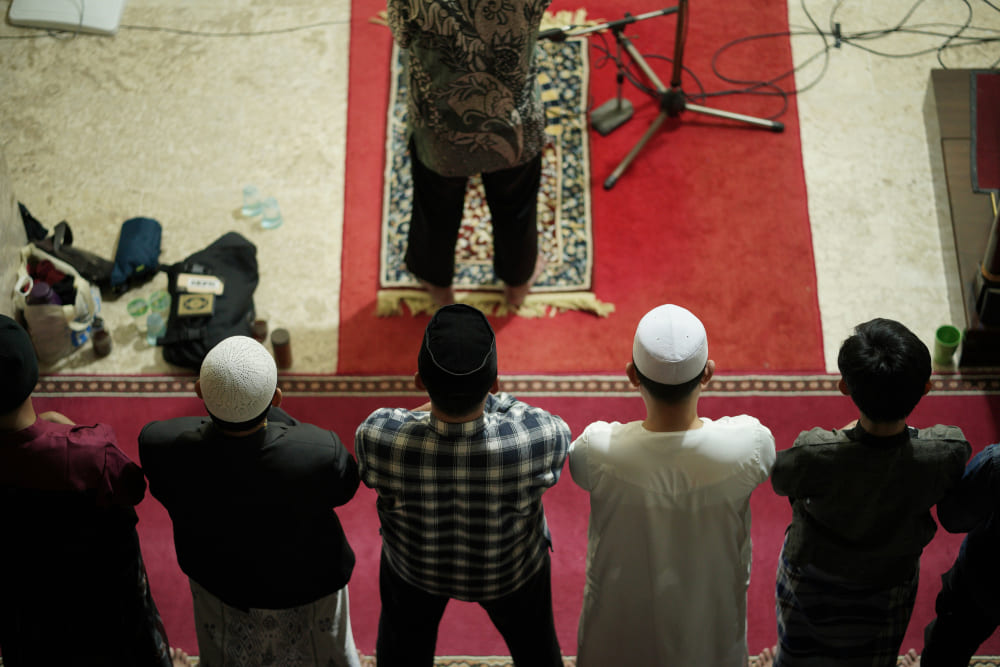
Praying behind an innovator
The scholars have differed on whether prayer behind a Muslim innovator is permissible and valid. Most of them said it's permissible and valid.
- Imam Abu Hanifa: disliked but valid
- Imam Malik: disliked but valid
- Imam al-Shafi'i: disliked but valid
- Imam Ahmad: haram (except for Jumuah and Eid prayers) and invalid (only in case of advocator to innovation)
As for the prayer behind a kafir innovator, they all agreed such prayer is invalid and must be repeated.
 اخْتَلَفَ أَهْلُ الْعِلْمِ فِي الصَّلَاةِ خَلْفَ مَنْ لَا يُرْضَى حَالُهُ مِنْ أَهْلِ الْأَهْوَاءِ
[الأوسط - ابن المنذر - الجزء ٤ - الصفحة ٢٣٢]
Ibn al-Mundhir said: "The people of knowledge differed concerning praying behind someone whose state is not pleasing among the people of desires."
[Al-Awsat - Ibn al-Mundhir - Volume 4 - Page 232]
Imam Abu Hanifa considers prayer behind Muslim innovators to be valid and permissible.
وَنَرَى الصَّلَاةَ خَلْفَ كُلِّ بَرٍّ وَفَاجِرٍ مِنْ أَهْلِ الْقِبْلَةِ، وَعَلَى مَنْ مَاتَ مِنْهُمْ
[شرح العقيدة الطحاوية - ابن أبي العز - الجزء ٢ - الصفحة ٥٣٢]
Al-Tahawi said: “We hold that prayer may be performed behind every righteous and sinful person among the people of the Qiblah, and that the funeral prayer should be performed over whoever among them dies.”
[Sharh Aqeedah al-Tahawiyyah - Ibn Abi al-'Izz - Volume 2 - Page 529]
That is, prayer behind every Muslim innovator is permissible and valid.
[الصَّلَاةُ خَلْفَ الْمُبْتَدَعِ وَالْفَاسِقِ]
وَلَوْ صَلَّى خَلْفَ مُبْتَدِعٍ الصَّلَاةُ خَلْفَ الْمُبْتَدِعِ وَالْفَاسِقِ يَدْعُو إِلَى بِدْعَتِهِ، أَوْ فَاسِقٍ ظَاهِرِ الْفِسْقِ، وَهُوَ الْإِمَامُ الرَّاتِبُ الَّذِي لَا يُمْكِنُهُ الصَّلَاةُ إِلَّا خَلْفَهُ، كَإِمَامِ الْجُمْعَةِ وَالْعِيدَيْنِ، وَالْإِمَامِ فِي صَلَاةِ الْحَجِّ بِعَرَفَةَ، وَنَحْوِ ذَلِكَ -: فَإِنَّ الْمَأْمُومَ يُصَلِّي خَلْفَهُ، عِنْدَ عَامَّةِ السَّلَفِ وَالْخَلَفِ.
[شرح العقيدة الطحاوية - ابن أبي العز - الجزء ٢ - الصفحة ٥٣٢]
Al-Tahawi said:
"[Praying Behind an Adherent of Religious Innovation and an Openly Sinful Person]
If someone has to pray behind an innovator who propagates his innovation, or behind a fasiq who is openly sinful, and that person is the regular appointed imam whom he cannot avoid praying behind—for example, the imam leading the Friday prayer, the two Eid prayers, or the imam leading the Hajj prayer at ʿArafah, and similar cases—then the person praying behind him should do so, according to the overwhelming majority of the early and later scholars."
[Sharh Aqeedah al-Tahawiyyah - Ibn Abi al-'Izz - Volume 2 - Page 532]
Imam Malik held that prayer behind an innovator is makruh, as stated by Ibn Rushd al-Jadd and others.
 وَلَا خِلَافَ بَيْنَ الْعُلَمَاءِ أَنَّ الْحَجَّ يُقِيمُهُ السُّلْطَانُ لِلنَّاسِ وَيَسْتَخْلِفُ عَلَيْهِ مَنْ يُقِيمُهُ لَهُمْ عَلَى شَرَائِعِهِ وَسُنَنِهِ فَيُصَلُّونَ خَلْفَهُ بَرًّا كَانَ أَوْ فَاجِرًا أَوْ مُبْتَدِعًا مَا لَمْ تُخْرِجْهُ بِدْعَتُهُ عَنِ الْإِسْلَامِ
[الاسْتِذْكَار – ابْنُ عَبْدِ البَرّ – الجُزْءُ ٤ – الصَّفْحَةُ ٣٢٤]
Ibn Abdul-Barr said: "There is no disagreement among the scholars that the Ḥajj is organised by the ruler for the people, and that he appoints someone to lead it on their behalf in accordance with its prescribed rites and Sunnah practices. The people therefore pray behind him, whether he is righteous, immoral, or an innovator, so long as his innovation does not expel him from Islam."
[Al-Istidhkar - Ibn Abdul-Barr - Volume 4 - Page 324]
Here Ibn Abdul-Barr expresses that the madhab holds that prayer is permissible behind every Muslim innovator.
وتُصلى خلفهم الجمعة والعيدان. قال غير واحد من العلماء وقاله مالك: لا يصلى خلف المبتدع منهم إلا أن تخافه (على نفسك) فتصلي، واختلف في الإعادة.
[الجامع في السنن - ابن أبي زيد القيرواني - الصفحة ١١٧]
Ibn Abi Zayd al-Qayrawani said: “The Friday prayer and the two Eid prayers may be performed behind them (rulers). More than one scholar said, and Mālik also held, that one should not pray behind an innovator among them, unless you fear for your own safety, in which case you should pray. The scholars differed regarding whether the prayer must be repeated.”
[Al-Jami' fi al-Sunan - Ibn Abi Zayd al-Qayrawani - Page 117]
Here Ibn Abi Zayd al-Qayrawani expresses that the madhab holds that Imam Malik allows the refraining from praying behind innovators unless one is compelled to.
وقد حكي عن مالك أنه قال (١): لا يصلى خلف أهل البدع من القدرية وغيرهم، ويصلى خلف أئمة الجور.
[الأَوْسَط – ابْنُ المُنْذِر – الجُزْءُ ٤ – الصَّفْحَةُ ٢٦٦]
Ibn al-Mundhir mentioned: It has been reported from Mālik that he said: “One should not pray behind the people of innovation, such as the Qadariyyah and others, but one may pray behind unjust rulers.”
[Al-Awsat - Ibn al-Mundhir - Volume 4 - Page 266]
To us this means in the context of praying behind Kafir innovators.
[فِي الصَّلَاةِ خَلْفَ هَؤُلَاءِ الْوُلَاةِ]
قُلْتُ: أَفَكَانَ مَالِكٌ يَقُولُ تُجْزِئُنَا الصَّلَاةُ خَلْفَ هَؤُلَاءِ الْوُلَاةِ وَالْجُمُعَةُ خَلْفَهُمْ؟ قَالَ: نَعَمْ. قُلْتُ: فَإِنْ كَانُوا قَوْمًا خَوَارِجَ غَلَبُوا أَكَانَ مَالِكٌ يَأْمُرُ بِالصَّلَاةِ خَلْفَهُمْ وَالْجُمُعَةِ خَلْفَهُمْ؟ قَالَ: كَانَ مَالِكٌ يَقُولُ: إِذَا عَلِمْتَ أَنَّ الْإِمَامَ مِنْ أَهْلِ الْأَهْوَاءِ فَلَا تُصَلِّ خَلْفَهُ وَلَا يُصَلَّى خَلْفَ أَحَدٍ مِنْ أَهْلِ الْأَهْوَاءِ. قُلْتُ: أَفَسَأَلْتُهُ عَنْ الْحَرُورِيَّةِ؟ قَالَ: مَا اخْتَلَفَ يَوْمَئِذٍ عِنْدِي أَنَّ الْحَرُورِيَّةَ وَغَيْرَهُمْ سَوَاءٌ.
[الْمُدَوَّنَة - سَحْنُون - الْجُزْء ١ - الصَّفْحَة ١٧٦]
I (Sahnoun) said: Did Mālik hold that our prayer behind these (unjust) rulers is valid, and that the Friday prayer behind them is valid?
He (Ibn al-Qasim) replied: Yes. I said: If they were a group of Khawārij who had seized power, would Mālik instruct people to pray behind them and perform the Friday prayer behind them?
He replied: Mālik used to say: “If you know that the imam is one of Ahl al-Ahwā, then do not pray behind him, and one should not pray behind anyone from Ahl al-Ahwa.”
I said: Did you ask him about the Ḥarūriyyah? He replied: At that time, there was no doubt in my mind that the Ḥarūriyyah and others were all the same (fit in the same category of Ahl al-Ahwa).”
[Al-Mudawwanah - Sahnoun - Volume 1 - Page 176]
قَالَ: وَسَأَلْتُ مَالِكًا عَنْ الصَّلَاةِ خَلْفَ الْإِمَامِ الْقَدَرِيِّ؟ قَالَ: إنْ اسْتَيْقَنْتَ أَنَّهُ قَدَرِيٌّ فَلَا تُصَلِّ خَلْفَهُ، قَالَ: قُلْتُ: وَلَا الْجُمُعَةَ؟
قَالَ: وَلَا الْجُمُعَةَ إنْ اسْتَيْقَنْتَ، قَالَ: وَأَرَى إنْ كُنْتَ تَتَّقِيهِ وَتَخَافَهُ عَلَى نَفْسِكَ أَنْ تُصَلِّيَ مَعَهُ وَتُعِيدَهَا ظُهْرًا قَالَ مَالِكٌ: فَأَهْلُ الْأَهْوَاءِ مِثْلُ أَهْلِ الْقَدَرِ. قَالَ: وَرَأَيْتُ مَالِكًا إذَا قِيلَ لَهُ فِي إعَادَةِ الصَّلَاةِ خَلْفَ أَهْلِ الْبِدَعِ يَقِفُ وَلَا يُجِيبُ فِي ذَلِكَ، قَالَ ابْنُ الْقَاسِمِ: وَأَرَى فِي ذَلِكَ الْإِعَادَةَ فِي الْوَقْتِ.
[الْمُدَوَّنَة - سَحْنُون - الْجُزْء ١ - الصَّفْحَة ١٧٧]
Sahnoun mentioned:
Ibn al-Qasim said: “I asked Mālik about praying behind a Qadarī imam. He replied: ‘If you are certain that he is a Qadarī, then do not pray behind him.’ I said: ‘Not even the Friday prayer?’ He replied: ‘Nor the Friday prayer, if you are certain. If you fear him and fear for your own safety, you may pray with him and then repeat the prayer as Dhuhr.’
Mālik said: ‘Ahl al-Ahwā are like the people of Qadar.’
Ibn al-Qasim said: ‘I observed that whenever Mālik was asked about repeating the prayer performed behind the people of innovation (Ahl al-Bidaʿ), he would remain silent and would not give an answer concerning that.’
Ibn al-Qāsim said: ‘I am of the view that the prayer should be repeated within its prescribed time.’”
[Al-Mudawwanah - Sahnoun - Volume 1 - Page 177]
Because Imam Malik refrained from answering whether prayer behind innovators is valid or not, it's safe to say that he did not regard it as invalid or otherwise he would've had no problem saying it.
Ibn Rushd al-Jadd also mentioned that Sahnoun and other major Maliki scholars held the same, that prayer behind Muslim innovators is valid.
من الْعُتْبِيَّة قال أشهب عن مالك: ولا أحب الصَّلاَة خلف الإباضية والواصلية، ولا السُّكنى معهم في بلد.
[النوادر والزيادات - ابن أبي زيد القيرواني - الجزء ١ - الصفحة ٢٨٨-٢٨٩]
Ibn Abi Zayd al-Qayrawani mentioned: Ashhab narrated from Mālik: “I do not like praying behind the Ibāḍīs and the Wāṣilīs (two sects from the Khawarij), nor do I like residing with them in the same town.”
[Al-Nawadir wal-Ziyadat - Ibn Abi Zayd al-Qayrawani - Volume 1 - Page 288-289]
Scholars of the Malikiyyah like Ibn Rushd (the elder one) held that because Malik said 'I do not like', he viewed prayer to still be valid behind Muslim innovators.
ومن الواضحة: ومن صَلَّى خلف أحد من أهل الأهواء أَعَادَ أبدًا، إلاَّ أَنْ يكون هو الوالي –الذي تؤدَّى إليه الطاعة، أو قاضيه، أو خليفته على الصَّلاَة، أو صاحب شُرْطته – فيجوز أَنْ يصلي خلفهم الجمعة وغيرها، ومن أَعَادَ في الوَقْتِ منهم فحَسَنٌ، ومَنْعُ الصَّلاَة خلفهم داعية إلى الخروج من طاعتهم، وسبب إلى الدماء والفتنة.
[النوادر والزيادات - ابن أبي زيد القيرواني - الجزء ١ - الصفحة ٢٨٩]
Ibn Abi Zayd al-Qayrawani mentioned:
In al-Wadihah, he (Ibn Habib al-Maliki) said: “Whoever prays behind one of the people of innovation must repeat the prayer indefinitely, except if that person is the ruler to whom obedience is rendered, his judge, his deputy appointed to lead the prayer, or the commander of his police force. In such cases, it is permissible to pray behind them for the Friday prayer and other prayers. However, whoever among them repeats the prayer within its prescribed time, that is good.
Prohibiting prayer behind them would encourage rebellion against their authority and could lead to fitnah.”
[Al-Nawadir wal-Ziyadat - Ibn Abi Zayd al-Qayrawani - Volume 1 - Page 289]
Ibn Habib al-Maliki held that prayer behind Muslim innovators are to be repeated, except behind the ruler or the imam who was appointed by the ruler or leader. But if that is also repeated then it's better.
Imam al-Shafi'i regarded it makruh to pray behind Muslim innovators. He also held prayer behind them to be valid.
ويجوز خلف أهل البدع والأهواء، والصلاة خلف المبتدع أشد كراهية منها خلف الفاسق؛ لأن فسق الفاسق يفارقه في الصلاة، واعتقاد المبتدع لا يفارقه
[التهذيب في فقه الشافعي - البغوي - الجزء ٢ - الصفحة ٢٦٩]
Al-Baghawi said:
"It is permissible to pray behind Ahl al-Bida' wal-Ahwa. However, praying behind an innovator is more strongly disliked than praying behind a fasiq, because the sinfulness of the fasiq is absent from him during the prayer, whereas the belief of the innovator remains with him it."
[Al-Tahdhib fi al-Fiqh al-Shafi'i - Al-Baghawi - Volume 2 - Page 269]
وَأَجَازَ الشَّافِعِيُّ شَهَادَةَ أَهْلِ الْبِدَعِ، وَالصَّلاةَ خَلْفَهُمْ مَعَ الْكَرَاهِيَةِ عَلَى الإِطْلاقِ
[شرح السنة - البغوي - الجزء ١ - الصفحة ٢٢٨]
Al-Baghawi said: "Al-Shāfiʿī permitted the testimony of the people of Ahl al-Bida' and praying behind them, while considering it disliked."
[Sharh al-Sunnah - Al-Baghawi - Volume 1 - Page 228]
Ibn Qudamah mentions that Imam Ahmad held that prayer behind the innovator who advocates for or defends his innovation is impermissible and invalid.
However, Jumuah and Eid prayers are still performed behind the innovator, but they are repeated afterwards if he is a kafir or advocator to a non-kufri innovation (like a Murji for example).
قال ابن هانئ: سألته عمن قال: الإيمان قول، يصلى خلفه؟
قال: إذا كان داعية إليه لا يصلى خلفه، وإذا كان لا علم لديه، أرجو أن لا يكون به بأس.
[مَسَائِلُ ابْنِ هَانِئ – الرِّوَايَةُ ٣٠١]
Imam Ahmad said: "Do not pray behind the Murji who advocates to his innovation. And if such person doesn't know (doesn't advocate for it (blind follower)), then I hope there's nothing wrong with praying behind him."
[Masail ibn Hani - Narration 301]
وسئل أيصلى خلف صاحب بدعة؟
فقال: إذا كان داعية، أو يخاصم فيها، أو يدعو إليها، لا يصلى خلفه ولا يكلم.
[مَسَائِلُ ابْنِ هَانِئ – الرِّوَايَةُ ٣٠٩]
He was asked: “Should prayer be performed behind a person of innovation?” He replied: “If he is an active propagator of it, or argues in its defence, or calls people to it, then prayer should not be performed behind him, nor should he be spoken to.”
[Masail ibn Hani - Narration 309]
فقلت: فمن كان فيه شيء، إلا أنه لا يخاصم فيه؟ قال: هو أهون. قلت: فيصلى خلف هذا؟ قال: نعم. قلت: أفليس هذا صاحب بدعة؟ قال: بلى، ولكن هذا لعله لا يدري، يرجع. وهذا يدعو إليها.
[مَسَائِلُ ابْنِ هَانِئ – الرِّوَايَةُ ٣٠٩]
I said: “What about someone who has some aspect of innovation in him, but does not argue in its defence?” He replied: “His case is less severe.”
I said: “Should prayer then be performed behind such a person?” He replied: “Yes.”
I said: “But is he not still a person of innovation?” He replied: “Indeed, but perhaps he is unaware of it and may retract from it. Whereas the other person actively calls others to it.”
[Masail ibn Hani - Narration 309]
وسئل عمن يقول: لفظي بالقرآن مخلوق، أَيُصَلَّى خلفه؟
قال: لا يُصَلَّى خلفه، ولا يجالس، ولا يكلم، ولا يسلم عليه.
[مَسَائِلُ ابْنِ هَانِئ – الرِّوَايَةُ ٢٩٥]
He was asked about someone who says: “My recitation of the Qur’an is created. Should prayer be performed behind him?” He replied: “No prayer should be performed behind him, nor should one sit with him, speak to him, or greet him.”
[Masail ibn Hani - Narration 295]
وسئل عن الذي يشتم معاوية، أَيُصَلَّى خلفه؟
قال: لا يُصَلَّى خلفه، ولا كرامة
[مَسَائِلُ ابْنِ هَانِئ – الرِّوَايَةُ ٢٩٦]
He was asked about someone who insults Muʿāwiyah: “Should prayer be performed behind him?” He replied: “No prayer should be performed behind him, and such person is not deserving of any honour.”
[Masail ibn Hani - Narration 296]
فنقل أبو الحارث عنه: لا يصلى خلف الفاجر ولا خلف مبتدع ولا فاسق إلا أن يخافهم فيصلي ويعيد.
[الرِّوَايَتَيْنِ وَالوَجْهَيْنِ – أَبُو يَعْلَى – الجُزْءُ ١ – الصَّفْحَةُ ١٧٢]
Al-Qadi Abi Ya'la mentioned:
Abū al-Ḥārith transmitted from him (Ahmad): “Prayer should not be performed behind an immoral person (fājir), nor behind an innovator, nor behind a fāsiq, unless one fears them. In that case, he should pray behind them and repeat the prayer.”
[Al-Riwayatayn wal-Wajhayn - Abu Ya'la - Volume 1 - Page 172]
قال عبد اللَّه: سمعت أبي وأملاه علي أملاء فقال: اكتب: وأما من قال ذاك القول؛ لم تصل خلفه الجمعة، ولا غيرها، إلا أنا لا ندع إتيانها، فإن صلى رجل أعاد الصلاة -يعني: من قال القرآن مخلوق.
[العِلَل – الرِّوَايَةُ ٧٢٩]
ʿAbdullāh said: “I heard my father dictating this to me, and he said: ‘Write: As for the one who holds that particular opinion, Jumuʿah prayer and other prayers should not be performed behind him. However, we do not abandon attending it. If a man prays behind him, he must repeat the prayer.’ He meant the one who says that the Qur’an is created.”
[Al-'Ilal - Narration 729]
وَحَكَى عَبْدُ اللَّهِ بْنُ أَحْمَدَ بْنِ حَنْبَلٍ، عَنْ أَبِيهِ، فِيمَنْ قَالَ بِخَلْقِ الْقُرْآنِ أَنَّهُ لَا يُصَلِّي خَلْفَهُ الْجُمُعَةَ، وَلا غَيْرَهَا، إِلا أَنَّهُ لَا يَدَعُ إِتْيَانَهَا، فَإِنْ صَلَّى أَعَادَ الصَّلاةَ.
[شرح السنة - البغوي - الجزء ١ - الصفحة ٢٢٨]
Al-Baghawi said:
ʿAbd Allāh ibn Aḥmad ibn Ḥanbal narrated from his father, concerning someone who held the belief that the Qur’an is created, that: “One should not pray behind him, neither the Friday prayer nor any other prayer. However, one should not abandon attending the Friday prayer. If one does pray behind him, one must repeat the prayer.”
[Sharh al-Sunnah - Al-Baghawi - Volume 1 - Page 228]
Abu Ya'la expresses that there are two reports on whether a person must attend Jumuah prayer if the imam is a kafir.
صلاة الجمعة خلف المبتدع بدعة مكفرة:
١٢١ - مسألة: واختلفت إذا كان الإمام يكفر باعتقاد هل يتبع في صلاة الجمعة؟
فنقل المروذي عنه في إمام تكلم بكلام الجهمية: لا يصلى خلفه الجمعة، لأنه كافر بذلك، والكافر تزول إمامته الكبرى والصغرى فلا يتبع.
ونقل حنبل: يصلي ويعيد ولا يدع إتيان الجمعة، وكذلك نقل ابن منصور: لا يترك الجمعة لشيء، لأنها من أعلام الدين الظاهرة، فلو قلنا: لا يصلي خلفه أدى إلى تعطيلها، وما يعود بفساد صلاته يقضيه.
[الرِّوَايَتَيْنِ وَالوَجْهَيْنِ – أَبُو يَعْلَى – الجُزْءُ ١ – الصَّفْحَةُ ١٨٥]
Al-Qadi Abi Ya'la mentioned:
There are differing reports concerning whether one should follow an imam in the Jumuʿah prayer if he is deemed a disbeliever on account of his beliefs.
Al-Marwadhī transmitted from him (Ahmad) concerning an imam who uttered statements of the Jahmiyyah: “One should not perform Jumuʿah prayer behind him, because he is thereby a disbeliever. A disbeliever loses both his major and minor authority, and therefore he is not to be followed.”
Ḥanbal transmitted: “He should pray and repeat the prayer, and he should not abandon attending Jumuʿah.”
Likewise, Ibn Manṣūr (al-Kawsaj) transmitted (from Ahmad): “Jumuʿah should not be abandoned for any reason, for it is among the manifest symbols of the religion. If we were to say that one should not pray behind him, this would lead to its being neglected altogether. Whatever prayer is rendered invalid as a result (from such kafir imam), he must make up (after).”
[Al-Riwayatayn wal-Wajhayn - Abu Ya'la - Volume 1 - Page 185]
It seems to us that Ahmad viewed Jumuah to be established even behind a Kafir innovator, but that it must be repeated afterwards as Dhuhr. This is the view Ibn Qudamah held.
(١١٢١) مَسْأَلَةٌ: قَالَ: (وَمَنْ صَلَّى خَلْفَ مَنْ يُعْلِنُ بِبِدْعَةٍ، أَوْ يَسْكَرُ، أَعَادَ) . الْإِعْلَانُ الْإِظْهَارُ، وَهُوَ ضِدُّ الْإِسْرَارِ. فَظَاهِرُ هَذَا أَنَّ مَنْ ائْتَمَّ بِمَنْ يُظْهِرُ بِدْعَتَهُ، وَيَتَكَلَّمُ بِهَا، وَيَدْعُو إلَيْهَا، أَوْ يُنَاظِرُ عَلَيْهَا، فَعَلَيْهِ الْإِعَادَةُ. وَمَنْ لَمْ يُظْهِرْ بِدْعَتَهُ، فَلَا إعَادَةَ عَلَى الْمُؤْتَمِّ بِهِ، وَإِنْ كَانَ مُعْتَقِدًا لَهَا.
[المغني - المجلد ٢ - الصفحة ١٣٧]
Ibn Qudamah mentioned:
"Issue: “Whoever performs prayer behind someone who openly manifests an innovation, or someone who gets drunk, must repeat the prayer.”
Al-iʿlān (openly declaring) means making something manifest, and it is the opposite of concealing it.
The apparent meaning of this statement is that whoever follows in prayer someone who openly manifests his innovation, speaks about it, calls others to it, or debates in its defence, must repeat the prayer.
As for someone who does not openly manifest his innovation, then the person who follows him in prayer is not required to repeat the prayer, even if he personally holds that innovation as his belief."
[Al-Mughni - Volume 2 - Page 137]
قَالَ الْأَثْرَمُ: قُلْت لِأَبِي عَبْدِ اللَّهِ: الرَّافِضَةُ الَّذِينَ يَتَكَلَّمُونَ بِمَا تَعْرِفُ؟ فَقَالَ: نَعَمْ، آمُرُهُ أَنْ يُعِيدَ. قِيلَ لِأَبِي عَبْدِ اللَّهِ: وَهَكَذَا أَهْلُ الْبِدَعِ كُلُّهُمْ؟ قَالَ: لَا، إنَّ مِنْهُمْ مَنْ يَسْكُتُ، وَمِنْهُمْ مَنْ يَقِفُ وَلَا يَتَكَلَّمُ. وَقَالَ: لَا تُصَلِّ خَلْفَ أَحَدٍ مِنْ أَهْلِ الْأَهْوَاءِ، إذَا كَانَ دَاعِيَةً إلَى هَوَاهُ.
[المغني - المجلد ٢ - الصفحة ١٣٧]
Ibn Qudamah mentioned:
Al-Athram said: “I said to Abū ʿAbdillāh (Imām Aḥmad): ‘What about the Rāfiḍah who speak openly about the things you know (of their beliefs)?’ He replied: ‘Yes, I instruct in such situation to repeat the prayer.’
It was said to Abū ʿAbdillāh: ‘And is this (repeating prayer behind innovator) the case with all the people of religious innovation?’
He replied: ‘No. Among them are those who remain silent or those who refrain (from expressing their beliefs) and do not speak.’
He also said: ‘Do not pray behind anyone from the people of desires (Ahl al-Ahwāʾ) if he is an advocate who calls others to his desires.’”
[Al-Mughni - Volume 2 - Page 137]
وَمَنْ لَمْ يُعْلِنْهَا فَفِي الْإِعَادَةِ خَلْفَهُ رِوَايَتَانِ.
[المغني - المجلد ٢ - الصفحة ١٣٧]
Ibn Qudamah said: "And whoever does not openly declare it, there are two opinions on whether prayer is valid behind such a person."
[Al-Mughni - Volume 2 - Page 137]
وَأَبَاحَ الْحَسَنُ، وَأَبُو جَعْفَرٍ، وَالشَّافِعِيُّ الصَّلَاةَ خَلْفَ أَهْلِ الْبِدَعِ؛ لِقَوْلِ رَسُولِ اللَّهِ - صَلَّى اللَّهُ عَلَيْهِ وَسَلَّمَ -: «صَلُّوا خَلْفَ مَنْ قَالَ: لَا إلَهَ إلَّا اللَّهُ.» رَوَاهُ الدَّارَقُطْنِيّ. وَلِأَنَّهُ رَجُلٌ صَلَاتُهُ صَحِيحَةٌ، فَصَحَّ الِائْتِمَامُ بِهِ كَغَيْرِهِ.
[المغني - الجزء ٢ - الصفحة ١٣٧-١٣٨]
Ibn Qudamah said:
"Al-Hasan, Abū Jaʿfar, and al-Shāfiʿī regarded it Mubah to pray behind Ahl al-Bida' (innovators), based on the statement of the Messenger of Allah ﷺ: ‘Pray behind whoever professes: La ilaha illa Allah.’ Reported by al-Dāraquṭnī.
With the argument that such a man's prayer (Muslim innovator) being valid; therefore, praying behind him is also valid, just as it is valid behind anyone else."
[Al-Mughni - Volume 2 - Page 137]
وَقَالَ ابْنُ الْمُنْذِرِ، وَبَعْضُ الشَّافِعِيَّةِ: مَنْ نُكَفِّرُهُ بِبِدْعَتِهِ كَاَلَّذِي يُكَذِّبُ اللَّهَ أَوْ رَسُولَهُ بِبِدْعَتِهِ، لَا يُصَلَّى خَلْفَهُ، وَمَنْ لَا نُكَفِّرُهُ تَصِحُّ الصَّلَاةُ خَلْفَهُ. وَلَنَا: مَا رَوَى جَابِرٌ، قَالَ: " سَمِعْتُ رَسُولَ اللَّهِ - صَلَّى اللَّهُ عَلَيْهِ وَسَلَّمَ - عَلَى مِنْبَرِهِ يَقُولُ: «لَا تَؤُمَّنَّ امْرَأَةٌ رَجُلًا، وَلَا فَاجِرٌ مُؤْمِنًا، إلَّا أَنْ يَقْهَرَهُ بِسُلْطَانٍ، أَوْ يَخَافَ سَوْطَهُ أَوْ سَيْفَهُ» . رَوَاهُ ابْنُ مَاجَهْ، وَهَذَا أَخَصُّ مِنْ حَدِيثِهِمْ، فَتَعَيَّنَ تَقْدِيمُهُ، وَحَدِيثُهُمْ نَقُولُ بِهِ فِي الْجُمَعِ وَالْأَعْيَادِ، وَتُعَادُ، وَهُوَ مُطْلَقٌ، فَالْعَمَلُ بِهِ فِي مَوْضِعٍ يُحَصِّلُ الْوَفَاءَ بِدَلَالَتِهِمْ، وَقِيَاسِهِمْ مَنْقُوضٌ بِالْخُنْثَى وَالْأُمِّيِّ. وَيُرْوَى عَنْ حَبِيبِ بْنِ عُمَرَ الْأَنْصَارِيِّ، عَنْ أَبِيهِ، قَالَ: سَأَلْت وَاثِلَةَ بْنَ الْأَسْقَعِ، قُلْت: أُصَلِّي خَلْفَ الْقَدَرِيِّ؟ قَالَ: لَا تُصَلِّ خَلْفَهُ. ثُمَّ قَالَ: أَمَّا أَنَا لَوْ صَلَّيْت خَلْفَهُ لَأَعَدْت صَلَاتِي. رَوَاهُ الْأَثْرَمُ.
[المغني - الجزء ٢ - الصفحة ١٣٨]
Ibn Qudamah said:
"Ibn al-Mundhir and some of the Shāfiʿī scholars said: “Whoever we declare to be a disbeliever on account of his innovation (Kafir innovator), such as someone whose innovation entails denying Allah or His Messenger, it is not permissible to pray behind him. As for the one whom we do not declare to be a disbeliever (Muslim innovator), the prayer behind him is valid.
(Ibn Qudamah comments:) Our (Hanbali) evidence is what Jābir narrated. He said: ‘I heard the Messenger of Allah (peace and blessings be upon him) say from his pulpit: “Let no woman lead a man in prayer, nor let an openly sinful person lead a believer in prayer, unless he overpowers him through his authority, or the latter fears his whip or his sword.”’ Narrated by Ibn Mājah. This narration is more specific than the hadiths they cite; therefore, it must be given precedence.
As for their hadiths (pray behind every righteous and wicked person/pray behind anyone who professes la ilaha illa Allah), we affirm their applicability in the case of Friday and Eid prayers, but the prayer should then be repeated. Their narration is general, and applying it in this particular context fulfils the implications of their evidence. Their analogy is invalidated by the case of the hermaphrodite (khunthā) and the illiterate person (ummī).
It is also narrated from Ḥabīb ibn ʿUmar al-Anṣārī, from his father, who said: ‘I asked Wāthilah ibn al-Asqaʿ: “Should I pray behind a Qadarī?” He replied: “Do not pray behind him.” He then said: “As for me, if I were to pray behind him, I would certainly repeat my prayer.”’ Narrated by al-Athram."
[Al-Mughni - Volume 2 - Page 138]
Our position
The position we hold is the one of the majority, and that is that prayer behind a Muslim innovator is permissible but valid. And this is the position of Ibn al-Mundhir among others.
قال أبو بكر: كل من أخرجته من بدعته إلى الكفر لم تجز الصلاة خلفه، ومن لك يكن كذلك فالصلاة خلفه جائزة، ولا نحب تقديم من هذه صفته.
[الإشراف - ابن المنذر - الجزء ٢ - الصفحة ١٥١]
Ibn al-Mundhir said: “Anyone whose innovation constitutes disbelief, it is not permissible to pray behind him. As for anyone who does not fall into this category (innovation does not constitute kufr), praying behind him is permissible, although we do not approve of appointing someone of this description to lead the prayer.”
[Al-Ishraf - Ibn al-Mundhir - Volume 2 - Page 151]
We hold that prayer behind a kafir innovator is haram, except for Jumuah and Eid prayers. And prayer behind them must be repeated.
A kafir innovator is anyone who holds major kufr beliefs, such as believing that the Quran is created, that Allah is everywhere, etc. If the Hujjah has been established upon such an individual, prayer behind him is invalid with consensus.
We don't hold prayer behind Ashari/Maturidi imams to be valid, as we believe they hold kufr beliefs as expressed by many scholars, and because we believe they make tawil as a type of juhud instead of genuine misunderstanding.