
 Author: Abdulrazzaq al-Maghribi
 Date published: 2026-02-23
 Updated: 2026-02-23
Does swallowing food that is stuck between the teeth break the fast?
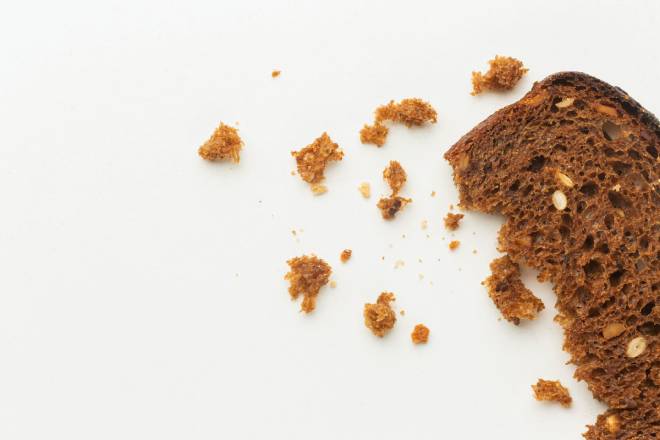
There are two types of food that may become lodged between the teeth. The scholars differed regarding the noticeable type, but they unanimously agreed that swallowing extremely small amounts of food stuck between the teeth does not invalidate the fast.
- Small crumbs of bread
- Fine fibers of meat
- Small particles of dates
- Soft traces of cheese
- Microscopic bits of nuts
Such are essentially the types of food that a person hardly notices. They are treated as part of the saliva and are swallowed without a second thought. The scholars unanimously agreed that swallowing this type of food stuck between the teeth does not invalidate the fast.
- A visible chunk of meat stuck between molars
- A piece of bread lodged between teeth
- A partially chewed date fiber
- A noticeable grain or cluster of rice
- A fragment of vegetable (like spinach or lettuce)
- A small but distinct piece of nut
Such are the types of food that become lodged between the teeth and are clearly noticeable. One often feels them stuck and may struggle to remove them. Imam Abu Hanifa held that swallowing these types of food do not invalidate the fast.
 (٢٠٣٠) فَصْلٌ: وَمَنْ أَصْبَحَ بَيْنَ أَسْنَانِهِ طَعَامٌ؛ لَمْ يَخْلُ مِنْ حَالَيْنِ: أَحَدُهُمَا؛ أَنْ يَكُونَ يَسِيرًا لَا يُمْكِنْهُ لَفْظُهُ، فَازْدَرَدَهُ، فَإِنَّهُ لَا يُفْطِرُ بِهِ؛ لِأَنَّهُ لَا يُمْكِنُ التَّحَرُّزُ مِنْهُ، فَأَشْبَهَ الرِّيقَ، قَالَ ابْنُ الْمُنْذِرِ: أَجْمَعَ عَلَى ذَلِكَ أَهْلُ الْعِلْمِ. الثَّانِي، أَنْ يَكُونَ كَثِيرًا يُمْكِنُ لَفْظُهُ، فَإِنْ لَفَظَهُ فَلَا شَيْءَ عَلَيْهِ، وَإِنْ ازْدَرَدَهُ عَامِدًا، فَسَدَ صَوْمُهُ فِي قَوْلِ أَكْثَرِ أَهْلِ الْعِلْمِ. وَقَالَ أَبُو حَنِيفَةَ: لَا يُفْطِرُ؛ لِأَنَّهُ لَا بُدَّ لَهُ أَنْ يَبْقَى بَيْنَ أَسْنَانِهِ شَيْءٌ مِمَّا يَأْكُلُهُ، فَلَا يُمْكِنُ التَّحَرُّزُ مِنْهُ، فَأَشْبَهَ مَا يَجْرِي بِهِ الرِّيقُ. وَلَنَا أَنَّهُ بَلَعَ طَعَامًا يُمْكِنُهُ لَفْظُهُ بِاخْتِيَارِهِ، ذَاكِرًا لِصَوْمِهِ، فَأَفْطَرَ بِهِ، كَمَا لَوْ ابْتَدَأَ الْأَكْلَ، وَيُخَالِفُ مَا يَجْرِي بِهِ الرِّيقُ، فَإِنَّهُ لَا يُمْكِنْهُ لَفْظُهُ. فَإِنْ قِيلَ: يُمْكِنُهُ أَنْ يَبْصُقَ. قُلْنَا: لَا يَخْرُجُ جَمِيعُ الرِّيقِ بِبُصَاقِهِ، وَإِنْ مُنِعَ مِنْ ابْتِلَاعِ رِيقِهِ كُلِّهِ لَمْ يُمْكِنْهُ.
[المغني — الجزء ٣ — الصفحة ١٢٦]
Ibn Qudamah said:
“Section: Whoever wakes up with food between his teeth is in one of two situations:
The first: that it is a small amount which he cannot spit out, so he swallows it. In that case, it does not invalidate his fast, because it is impossible to avoid, and thus it is like saliva. Ibn al-Mundhir said: The scholars are unanimously agreed upon this.
The second: that it is a large amount which he is able to spit out. If he spits it out, then there is nothing upon him. But if he deliberately swallows it, his fast is invalidated according to the view of most of the scholars.
Abu Hanifa said: It does not invalidate the fast (to swallow bigger amount which he is able to spit out), because it is inevitable that something from what a person eats remains between his teeth, and it is impossible to avoid it, so it is like that which flows with the saliva.
Our argument is that he swallowed food which he was able to spit out, by choice, while remembering that he was fasting; therefore, his fast is invalidated by it, just as if he had initiated eating. This differs from what flows with saliva, for that cannot be spat out. If it is said: He is able to spit it out. We say: All of the saliva does not come out merely by spitting, and if he were prevented from swallowing all of his saliva, he would not be able to do so.”
[Al-Mughni - Volume 3 - Page 126]
Imam Abu Hanifa held a more lenient view regarding food stuck between the teeth. He stated that even larger, noticeable pieces—such as bits of nuts, meat, or similar foods—inevitably remain between the teeth and are therefore treated like saliva. Based on this view, swallowing such remnants would not invalidate the fast.
Ibn Qudamah disagreed with Abu Hanifa’s position. He argued that such food cannot be treated as saliva because it is noticeable and can be spat out.
He explained that saliva cannot be completely expelled from a person’s mouth, whereas noticeable food stuck between the teeth can be removed. Therefore, in his view, the two cannot share the same ruling.
Our stance regarding this
It appears to us that swallowing noticeable pieces of food lodged between the teeth invalidates the fast, since one is able to spit them out or remove them. In this matter, we are in agreement with Ibn Qudamah.
As for what goes unnoticed, such as very small remnants of food, these do not invalidate the fast, according to the consensus of the scholars.