 Author: Sefiye al-Turkiyyah
 Date published: 2026-03-31
 Updated: 2026-03-31
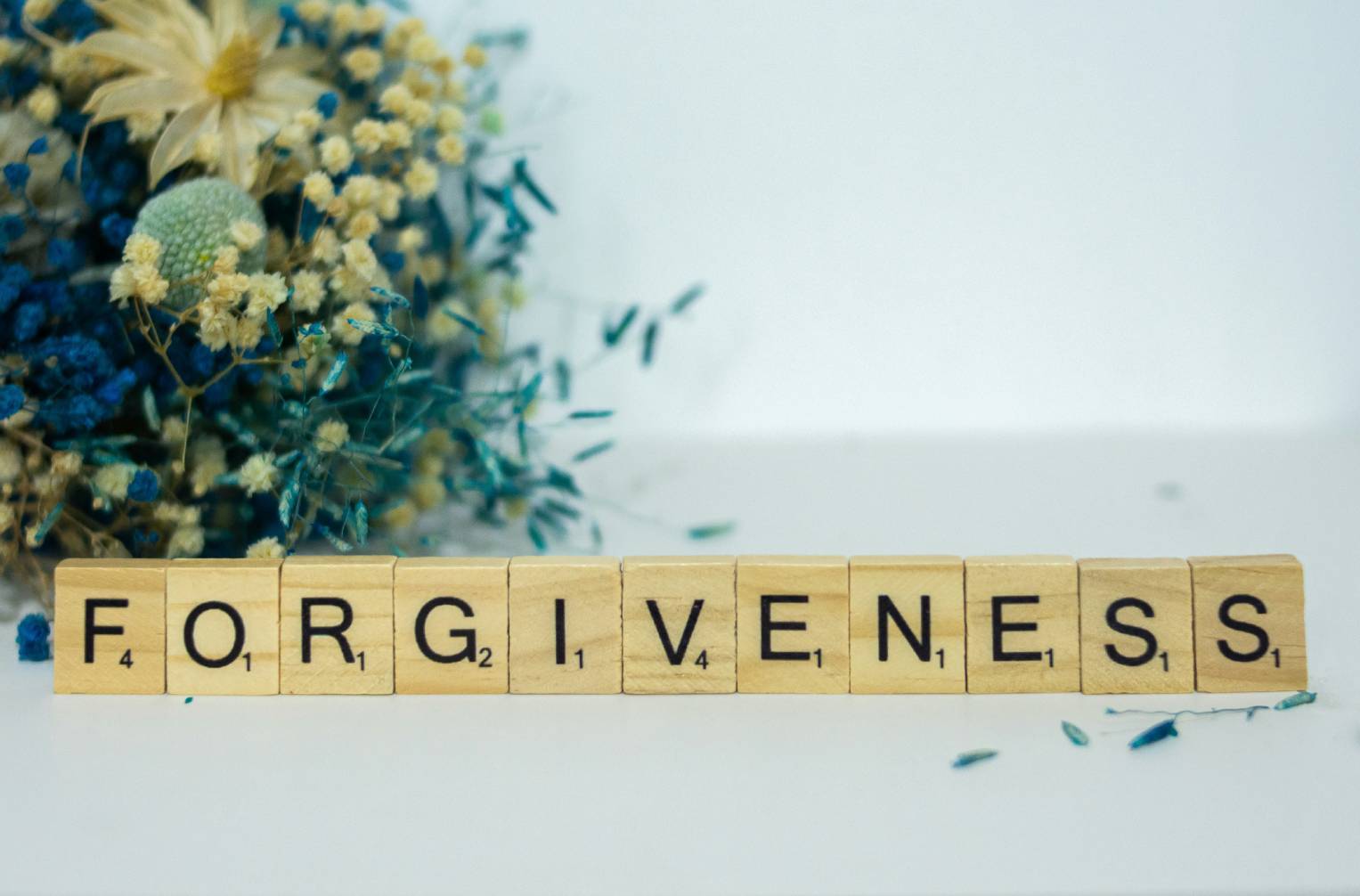
Are you ordered to forgive your narcissistic parents in Islam?
How does someone who experienced narcissistic abuse from their parents deal with the concept of forgiveness?
Forgiveness doesn’t mean a person has to give access or forget the abuse they endured. It’s not fair to tell a victim to just forget and move on, because that invalidates their pain and the deep hurt they suffered.
If a person chooses to forgive, they can do so without granting access to those who broke their trust.
They can lift the burden of accountability before Allah by forgiving them and choosing not to seek punishment for their narcissistic parents.
Allowing narcissistic parents back into one's life would be unwise if the parents are narcissistic, since they take advantage of that opportunity to continue the abuse.
And yes, Allah encourages believers to forgive and overlook, but that doesn’t mean He looks down on those who don’t, especially when it comes to things that are extremely difficult for human beings to forgive.
Think of these examples:
- Your daughter being sexually assaulted by strangers
- Being robbed on the street
- Being held hostage by criminals
- Your partner cheating on you
Anyone would understand that it’s not fair to expect victims in these situations to simply forgive and overlook. That’s not how it works.
And the same applies to someone whose parents betrayed them, bullied them for years, exposed their deepest secrets, and even threatened them.
It’s not fair to expect such a person to just forgive and overlook simply because they are their parents. Because that would mean forgiveness is no longer a choice, and that parents can get away with anything just because they are parents.
Is it blameworthy to not forgive narcissistic parents?
Some people feel that if they don't forgive they might miss out on Allah's forgiveness, but is that really true?
That would imply that forgiveness becomes an obligation when it comes to parents—but where does that idea come from?
Does that principle also apply to someone who has experienced abuse from narcissistic parents who:
- Are guilty of sexually abusing them when they were vulnerable and young
- Are guilty of persistent bullying that pushed them toward suicidal thoughts
- Are guilty of abandoning their family for more than forty years
Can anyone say that a person experiencing such abuse is required to forgive their oppressor, or else risk missing out on Allah’s forgiveness? That would mean they are punished for their human inability to forgive, which is both wrong and unfair.
It is clear that Allah would not obligate a person to forgive their parents for everything they do. Otherwise, it would imply that parents are free from accountability, that they would not be held responsible for their wrongdoing, and that the victim’s pain does not matter.
And if that were the case, what would that say about Allah’s attribute as the Most Just? Such a situation would directly contradict that attribute.
That is why a victim is not obligated to forgive narcissistic parents. When certain boundaries are crossed, the victim has every right to feel resentment, because injustice is injustice—no matter who it comes from.
The body does not distinguish between harm caused by strangers and harm caused by family. Both are processed the same way, leaving deep emotional wounds, pain, and sometimes even physical scars.
Allah says forgiveness is not an obligation
Does Allah expect a person to forgive the one who wronged them in every situation? And what happens if a person doesn’t forgive—can they still receive Allah’s forgiveness?
Through reflection, a person can understand that Allah does not command someone to forgive in every case or else be punished. Forgiveness is a virtue, not an obligation. Allah has allowed His servants the right to seek justice.
 وَلَمَنِ ٱنتَصَرَ بَعْدَ ظُلْمِهِۦ فَأُو۟لَـٰٓئِكَ مَا عَلَيْهِم مِّن سَبِيلٍ ٤١ إِنَّمَا ٱلسَّبِيلُ عَلَى ٱلَّذِينَ يَظْلِمُونَ ٱلنَّاسَ وَيَبْغُونَ فِى ٱلْأَرْضِ بِغَيْرِ ٱلْحَقِّ ۚ أُو۟لَـٰٓئِكَ لَهُمْ عَذَابٌ أَلِيمٌۭ ٤٢ وَلَمَن صَبَرَ وَغَفَرَ إِنَّ ذَٰلِكَ لَمِنْ عَزْمِ ٱلْأُمُورِ ٤٣
There is no blame on those who enforce justice after being wronged. Blame is only on those who wrong people and transgress in the land unjustly. It is they who will suffer a painful punishment. And whoever endures patiently and forgives—surely this is a resolve to aspire to.
وَلَمَنِ ٱنتَصَرَ بَعْدَ ظُلْمِهِۦ فَأُو۟لَـٰٓئِكَ مَا عَلَيْهِم مِّن سَبِيلٍ ٤١ إِنَّمَا ٱلسَّبِيلُ عَلَى ٱلَّذِينَ يَظْلِمُونَ ٱلنَّاسَ وَيَبْغُونَ فِى ٱلْأَرْضِ بِغَيْرِ ٱلْحَقِّ ۚ أُو۟لَـٰٓئِكَ لَهُمْ عَذَابٌ أَلِيمٌۭ ٤٢ وَلَمَن صَبَرَ وَغَفَرَ إِنَّ ذَٰلِكَ لَمِنْ عَزْمِ ٱلْأُمُورِ ٤٣
There is no blame on those who enforce justice after being wronged. Blame is only on those who wrong people and transgress in the land unjustly. It is they who will suffer a painful punishment. And whoever endures patiently and forgives—surely this is a resolve to aspire to.
[42:41-43 Quran]
These verses make it clear that a person is not blamed for seeking justice against the one who wronged them. This means they are not required to forgive; they may pursue accountability for the harm done to them. This reflects Allah’s justice—allowing a person to feel resentment without being punished for those feelings.
وَجَزَٰٓؤُا۟ سَيِّئَةٍۢ سَيِّئَةٌۭ مِّثْلُهَا ۖ فَمَنْ عَفَا وَأَصْلَحَ فَأَجْرُهُۥ عَلَى ٱللَّهِ ۚ إِنَّهُۥ لَا يُحِبُّ ٱلظَّـٰلِمِينَ ٤٠
The reward of an evil deed is its equivalent. But whoever pardons and seeks reconciliation, then their reward is with Allah. He certainly does not like the wrongdoers.
[42:40 Quran]
Allah tells us that retribution is permitted, and that a wrongdoing may be met with an equivalent response. If forgiveness were obligatory, there would be no room for retribution—because forgiveness means absolving a person from being held accountable for their actions.
يَـٰٓأَيُّهَا ٱلَّذِينَ ءَامَنُوا۟ كُتِبَ عَلَيْكُمُ ٱلْقِصَاصُ فِى ٱلْقَتْلَى ۖ ٱلْحُرُّ بِٱلْحُرِّ وَٱلْعَبْدُ بِٱلْعَبْدِ وَٱلْأُنثَىٰ بِٱلْأُنثَىٰ ۚ فَمَنْ عُفِىَ لَهُۥ مِنْ أَخِيهِ شَىْءٌۭ فَٱتِّبَاعٌۢ بِٱلْمَعْرُوفِ وَأَدَآءٌ إِلَيْهِ بِإِحْسَـٰنٍۢ ۗ ذَٰلِكَ تَخْفِيفٌۭ مِّن رَّبِّكُمْ وَرَحْمَةٌۭ ۗ فَمَنِ ٱعْتَدَىٰ بَعْدَ ذَٰلِكَ فَلَهُۥ عَذَابٌ أَلِيمٌۭ ١٧٨
O believers! ˹The law of˺ retaliation is set for you in cases of murder—a free man for a free man, a slave for a slave, and a female for a female. But if the offender is pardoned by the victim’s guardian, then blood-money should be decided fairly and payment should be made courteously. This is a concession and a mercy from your Lord. But whoever transgresses after that will suffer a painful punishment.
[2:178 Quran]
People understand that forgiving a murderer is greatly virtuous, but does that mean that if someone is unable to forgive, Allah will punish them for it?
This verse clearly shows that Allah does not punish a person for choosing not to forgive wrongdoing, because He gave the option to forgive or to seek retribution.
The guilt-tripping after refusing to forgive
Society and communities often expect victims of narcissistic abuse to simply overlook and forgive their parents.
So when a person feels resentment toward their narcissistic parents—rightfully so—they may be scrutinized or shamed, which is not right.
They might say things like:
- "You only have one father/mother."
- "Heaven lies under the feet of your mother."
- "But your father put a roof over your head and clothed you."
- "You owe your parents just for existing."
But on closer examination, these arguments do not apply to a victim of narcissistic abuse. How could it be fair for a victim to owe anything to their abusers or to remain with them, when they are being harmed every single day? Where is the justice in that?
And how is it fair to be told that you must stay with your parents simply because you exist thanks to them, when you never asked to be born under their care? Is a person doomed just for being raised by abusive parents? Is Allah not protective of those who are wronged?
There is no shame or blame on someone who chooses not to forgive their narcissistic parents, even if others try to place that blame on them.
Just because certain parents provide a roof over their children’s heads, clothe them, and feed them does not mean they deserve permanent access. That would be an unfair system, allowing them to get away with abuse and oppression.
And what does a parent deserve who completely destroys their children, even while providing basic necessities? No one would say that is fair to the victim.
The reality is that it would be unfair to expect a victim to 'just forgive'. That would imply that the victim's pain does not matter, that there is no justice in cases of familial abuse, and that Allah turns a blind eye to wrongdoing.
But that is clearly not the case, because:
- Allah is the Most Just, which means He does not overlook injustice or ignore wrongdoing, no matter who commits it
- Allah has allowed legal retribution, which affirms that justice is meant to take place
- Allah is the Most Compassionate, which means He does not invalidate the pain and suffering of a victim
If these truths are clear, then how can it be said that Allah commands a victim to overlook abuse from their parents? That would contradict His justice, His compassion, and His will.
There is no doubt that people understand victims deserve justice, and that they are not required to forgive those who wronged them.
Forgiveness is a virtue: whoever chooses it is rewarded, and whoever does not is not blamed.
And whoever seeks even greater forgiveness from Allah may choose to forgive to the extent they are able—this is praiseworthy, as mentioned in multiple places in the Quran.
Humans are not all-forgiving
Expecting someone to forgive everything often comes from a desire to escape consequences or to shield another person from them. There is no true sincerity in such expectations—because if there were, a person would not become defensive or pushy when forgiveness is not given.
Forgiveness remains a choice, even if those who have done wrong are uncomfortable with that reality.
Such people expect victims to be all-forgiving, whereas not even Allah forgives everything, He may punish a person with Hellfire or forgive a person and grant him Paradise.
And do they not know that the One who is Most Forgiving does not forgive the one who dies a polytheist?
إِنَّ ٱللَّهَ لَا يَغْفِرُ أَن يُشْرَكَ بِهِۦ وَيَغْفِرُ مَا دُونَ ذَٰلِكَ لِمَن يَشَآءُ ۚ وَمَن يُشْرِكْ بِٱللَّهِ فَقَدِ ٱفْتَرَىٰٓ إِثْمًا عَظِيمًا ٤٨
Indeed, Allah does not forgive associating others with Him ˹in worship˺, but forgives anything else of whoever He wills. And whoever associates others with Allah has indeed committed a grave sin.
[4:48 Quran]
If Allah shows us that there are limits to His forgiveness, then what about human beings? Some people often expect victims of narcissistic abuse to forgive regardless of how severe the harm was to their well-being and health.
Humans do not forgive every wrongdoing—and they are not required to—because forgiveness is a choice.
If Allah does not forgive a person in the Hereafter for certain wrongs committed against others, then why do some expect a human being to surpass that by forgiving every single offense?
And yes, forgiveness is a noble trait—it reflects mercy and the willingness to pardon. But it is not something guaranteed or required, just as we cannot assume that Allah will forgive us for everything while we hope for His mercy on the Day of Judgment.
Why it's hard to forgive narcissistic parents
Naturally, most people would want to forgive their parents, but there comes a point when that door closes—especially for those who have gone no contact. They decide that enough is enough, that what they endured is completely unacceptable, and that staying would invalidate their experience and be unjust to themselves.
There are many impacts on a person who is raised by narcissistic parents which factor into refusing to forgive.
It is hard to forgive narcissistic parents because:
- The persistent and subtle bullying destroyed the victim’s self-image
- The abuse caused intense suffering, often leading to suicidal thoughts
- The severity of the harm caused makes it difficult to overlook
- Trust was repeatedly broken in significant ways, leading to ongoing heartbreak
- The abuse was continuous and fundamentally unacceptable
- There was no remorse shown by the parents after the abuse
The deep scars formed during the abuse do not simply disappear. They serve as reminders of times when support was needed most but was not given.
Narcissistic abuse can lead a person to lose all sense of trust, making it difficult even to look their parents in the eye, as it may feel undeserved.
Ultimately, it comes down to the depth of pain and suffering the victim endured, which can make forgiveness feel impossible and lead them instead to hope for justice from Allah.
Forgiveness is not a condition for healing
Choosing not to forgive does not mean a person cannot heal. Resentment only becomes unhealthy when it is prolonged and prevents the person from functioning.
It is entirely possible to heal and give the experience a place in one’s life without letting it take over.
So even when a person decides not to forgive, there is still hope for healing. Healing has little, if anything, to do with forgiveness. Forgiveness is ultimately for the other person, a form of mercy, not for yourself to heal. It is a gift of pardon.
Healing has everything to do with slowly recovering from the damage caused by major betrayal, verbal abuse, emotional abuse, or, in the case of psychopathic narcissists, physical abuse. It requires a person to sit with their pain, allowing themselves to experience it and gradually lessen its intensity through care and compassion.
Just as someone can grieve and heal after losing a loved one to murder without forgiving the killer, a person can grieve and recover from narcissistic abuse without forgiving the abuser.
 لاَ ظُلِمَ عَبْدٌ مَظْلِمَةً فَصَبَرَ عَلَيْهَا إِلاَّ زَادَهُ اللَّهُ عِزًّا
The Prophet (ﷺ) said: "No slave (of Allah) suffers injustice and is patient with it except that Allah adds to his honor."
[Sunan Tirmidhi 2325]
لاَ ظُلِمَ عَبْدٌ مَظْلِمَةً فَصَبَرَ عَلَيْهَا إِلاَّ زَادَهُ اللَّهُ عِزًّا
The Prophet (ﷺ) said: "No slave (of Allah) suffers injustice and is patient with it except that Allah adds to his honor."
[Sunan Tirmidhi 2325]
Counseling for narcissistic abuse
Through live chatThe counseling sessions are taken through live chat.
A session costs $40 and is 50 minutes long, which provides you more than enough time to receive adequate guidance, support, or advice.




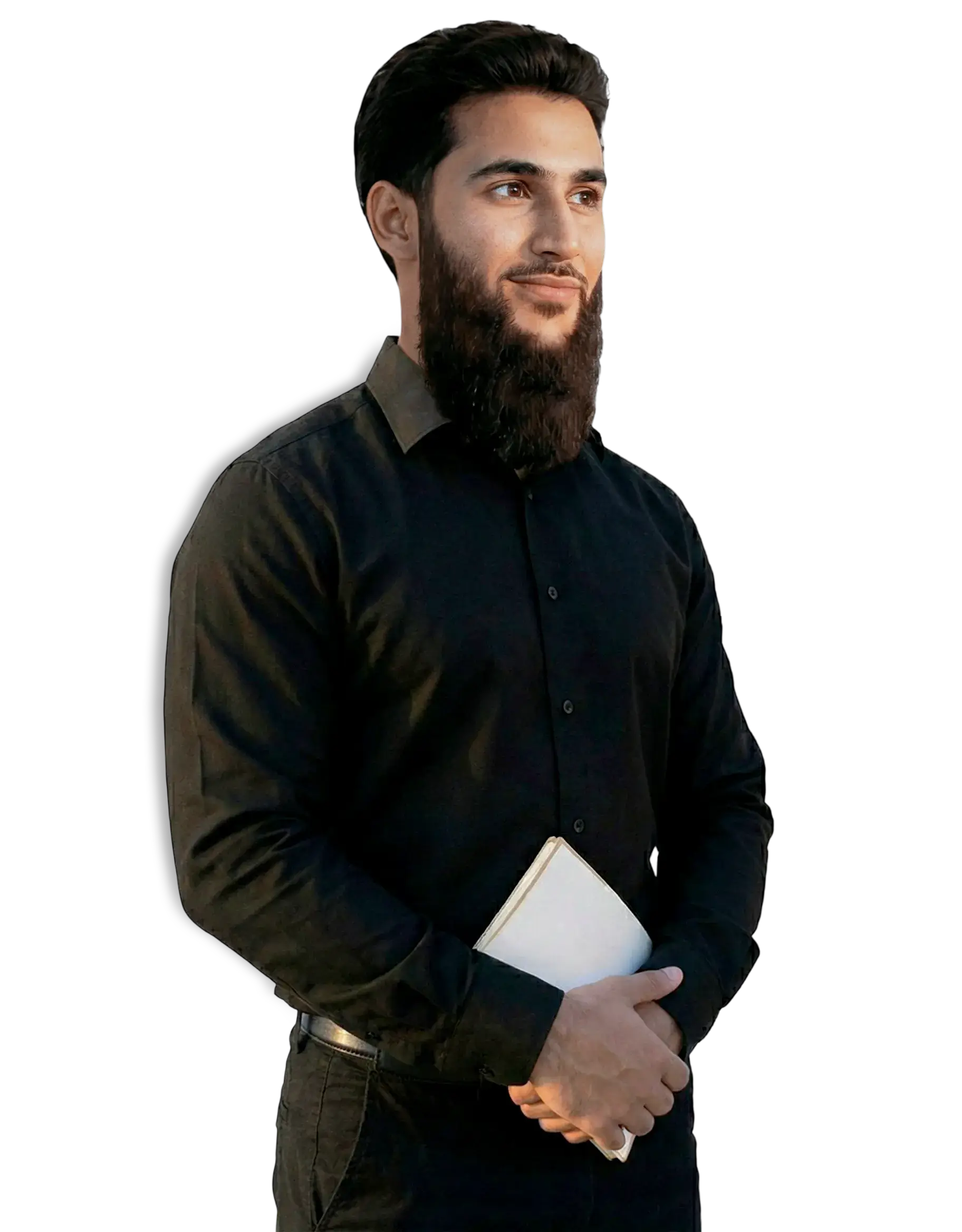
Rami al-Maghribi
Certified Islamic CounselorYears of Experience:
5
Clients:
250+
Rami al-Maghribi — A compassionate and approachable Islamic counselor, Rami provides guidance with clarity and sincerity. He helps individuals navigate personal challenges, faith-related questions, and emotional well-being with empathy, honesty, and practical advice.