


 Author: Sefiye al-Turkiyyah
 Date published: 2026-04-26
 Updated: 2026-04-26

Enablers of narcissistic parents
Enablers of narcissistic abuse really put more fuel on the fire of narcissistic abuse from parents.
They can be one of the parents, your siblings, uncles/aunts, and other extended family members. But they are not solely family members, many of them could also be religious figures, friends, close collegues, and more.
Enablers of narcissistic abuse love to use certain Islamic phrases and principles, but upon further inspection, their arguments fail as they go against principles of justice and fairness.
- "You only get one father/mother, so keep patient with them"
- "Allah will be angry with you if you cut ties with your parents"
- "Paradise is with your parents' pleasure with you"
- "No matter what your parents do to you, always keep honoring them"
- "You owe your parents after they raised you and put a roof over your head"
The perspective of the enabler
- They have made “peacemaker” their identity, and if they fail to reconcile both sides, they feel like a failure.
- They feel an urge to reconcile both parties because it ensures that both remain in their life, which preserves their sense of emotional stability.
- They tend to place the parent’s perspective above the survivor’s, based on the belief that parents are largely exempt from accountability regardless of their behavior.
- They hold a false view of parenthood, assuming that all parents inherently love their children, which can lead them to excuse harmful behavior.
If a person were to examine the reasons behind enablers’ behavior, they may notice something important: enablers are primarily focused on maintaining familiarity, no matter how toxic the situation becomes. They may tolerate abuse and, in turn, expect others to do the same. Self-respect and dignity are not their main priority; comfort and stability are.
So when conflict arises between relatives, they do not prioritize justice for the victim. Instead, they tend to overlook justice in order to keep both parties present in their life.
This can lead the survivor of narcissistic abuse to realize that the enabler cannot simply be “won over” to take their side, because doing so would require them to distance themselves from the other party—something they are unwilling to do.
And it can be deeply painful to come to this awareness: that enablers are not truly acting in the survivor’s best interest, but are guided by self-focused needs, which ultimately contribute to ongoing injustice toward the survivor of narcissistic abuse.
How to deal with enablers of narcissistic parents
Dealing with an enabler is difficult because they are unwilling to reflect on the fact that they are essentially turning their back on the survivor of narcissistic abuse.
Enablers do this by invalidating the survivor’s experiences, brushing them under the rug, and urging reconciliation while encouraging the person to let go of justice and dignity.
They force the survivor to forgive their narcissistic parents, which is deeply invalidating and wrong. As a result, the person feels severely wronged by the enabler, since they rightfully expected support rather than betrayal at the moment loyalty was most needed.
The survivor of narcissistic abuse by their parents comes to realize a crucial and painful truth: the enabler never truly wanted what was best for them, as they chose not to acknowledge the suffering and pain and instead blinded themselves in order to soothe their own discomfort and relational instability.
There are no ways to maintain contact with enablers without betraying yourself. Staying connected to people who have severely betrayed you becomes a form of self-betrayal.
You do not have to betray yourself simply because an enabler is a relative. Self-respect and dignity apply to all relationships.
They should have stood by your side and held those who wronged you accountable, but that did not happen.
Instead, they chose to overlook what happened in order to maintain equilibrium, because it felt like a disruption to their comfort and internal balance.
Cutting ties with enablers: Justified?
Family holds a high status in Islam, but so does justice. In the case of enablers, these two values can come into conflict.
However, Allah has made clear that justice takes precedence over all else, including family, as He commands us to uphold justice even against ourselves and those close to us.
 ۞يَـٰٓأَيُّهَا ٱلَّذِينَ ءَامَنُواْ كُونُواْ قَوَّـٰمِينَ بِٱلۡقِسۡطِ شُهَدَآءَ لِلَّهِ وَلَوۡ عَلَىٰٓ أَنفُسِكُمۡ أَوِ ٱلۡوَٰلِدَيۡنِ وَٱلۡأَقۡرَبِينَۚ
O you who have believed, be persistently standing firm in justice, witnesses for Allah, even if it be against yourselves or parents and relatives.
۞يَـٰٓأَيُّهَا ٱلَّذِينَ ءَامَنُواْ كُونُواْ قَوَّـٰمِينَ بِٱلۡقِسۡطِ شُهَدَآءَ لِلَّهِ وَلَوۡ عَلَىٰٓ أَنفُسِكُمۡ أَوِ ٱلۡوَٰلِدَيۡنِ وَٱلۡأَقۡرَبِينَۚ
O you who have believed, be persistently standing firm in justice, witnesses for Allah, even if it be against yourselves or parents and relatives.
[4:135 Quran]
A person must reflect on what justice would look like in the situation of someone who has been severely wronged by their own parents to the point of becoming suicidal.
Would it be considered fair for them to maintain ties with those who pushed them to such a state? And what about their pain and suffering—are these not simply brushed under the carpet if they are expected to remain in contact with such people?
Upon reflection, it becomes clear that it would be deeply unfair to the one who suffered so greatly for them to still owe continued access to those who harmed them.
The only thing that would bring justice in such a situation is for the parent to lose access (meaning no contact) to the child who was driven toward suicidality.
Coming back to the issue of enablers, it would only be fair to cut them off, as they have severely betrayed the victim of narcissistic parents, leaving behind deep wounds and betrayal trauma. This would also form part of the enabler's punishment.
Cutting ties with relatives is permissible in certain cases where trust has been completely broken. Not everyone is entitled to permanent access, because that would imply that justice does not apply within family systems. But Allah is always Just.
وَأَنَّ ٱللَّهَ لَيۡسَ بِظَلَّـٰمٖ لِّلۡعَبِيدِ
And verily, Allah is not unjust to His slaves.
[8:51 Quran]
Fitrah Tawheed on TikTok
Join the Reddit community
🌙 Welcome to a safe space for Muslims with narcissistic parents
byu/FitrahTawheed inMuslimsRaisedByNarcs
Counseling for narcissistic abuse
Through live chatThe counseling sessions are taken through live chat.
A session costs $40 and is 50 minutes long, which provides you more than enough time to receive adequate guidance, support, or advice.




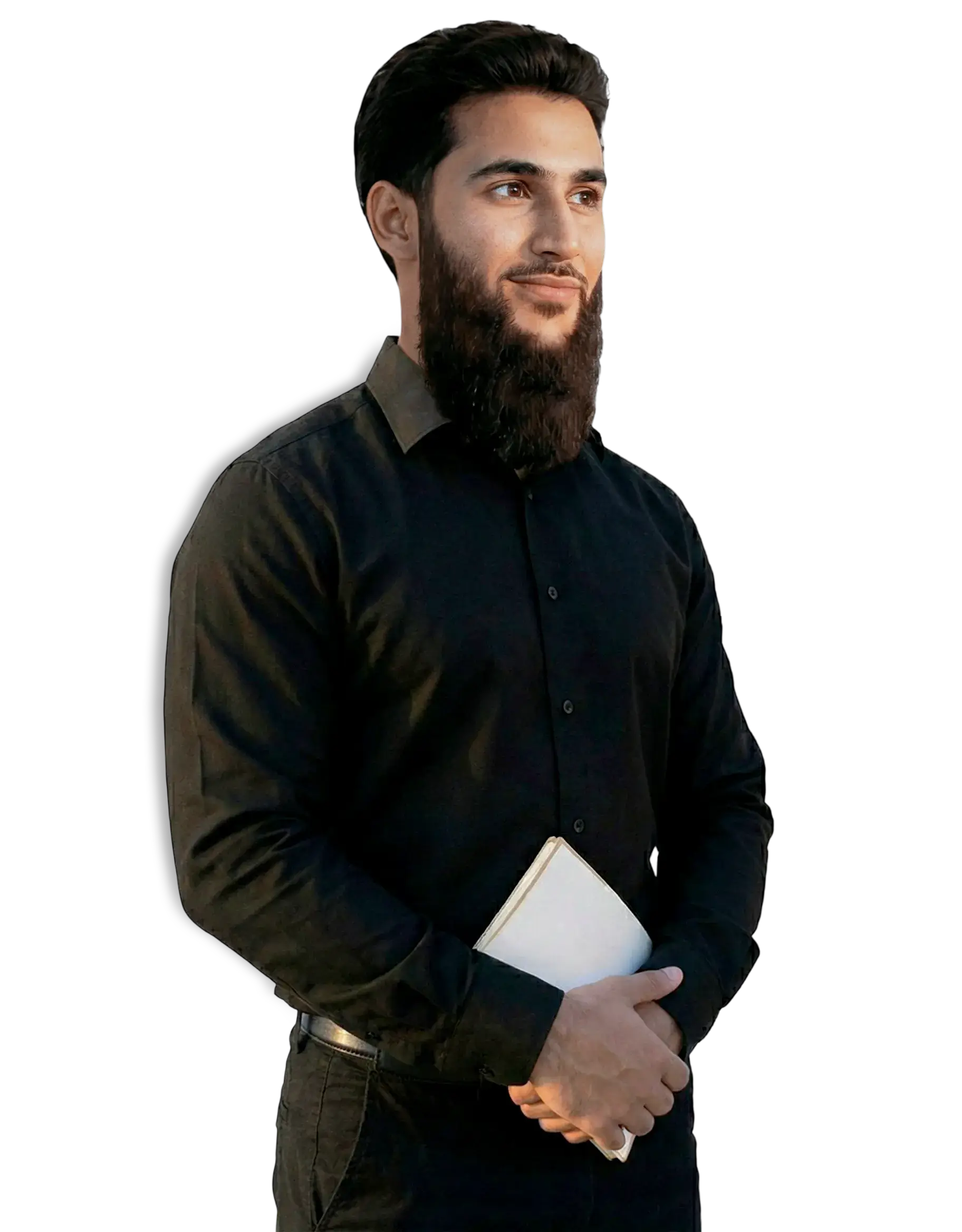
Rami al-Maghribi
Certified Islamic CounselorYears of Experience:
5
Clients:
250+
Rami al-Maghribi — A compassionate and approachable Islamic counselor, Rami provides guidance with clarity and sincerity. He helps individuals navigate personal challenges, faith-related questions, and emotional well-being with empathy, honesty, and practical advice.